The days are getting longer, temperatures are rising and the first buds are appearing on the branches. Inspiring, right? It’s time to roll up your sleeves and prepare your garden for a new growing season. The right approach will ensure your garden looks its very best this spring. Green Masters has compiled the ideal step-by-step plan for you.
1. Start with a thorough tidy up
After winter, your garden might be looking a bit neglected. But not to worry, we can soon change that. First of all, remove any dead leaves, dead plants and twigs that have fallen due to storms or frost and check for damage caused by winter. Now, you can start with a clean slate. Cut back the old stems of perennials to just above the ground. This really benefits plants such as lavender, grasses and sedum varieties. Remove weeds before the growing season gets underway.
2. Improve the health of your soil
Soil is the foundation of a healthy garden. Mix compost or mature manure in with the topsoil of borders and kitchen garden beds. The compost improves soil structure and the organic fertilisers encourage root development. Healthy soil means healthy plants that are less susceptible to disease and pests, which means less maintenance later on.
3. Lawn maintenance
Do you have a lawn? Then scarify it once or twice a year at most to remove the thatch growing between the grass. Afterwards, aerate the soil regularly with an aerator or pitchfork. This allows water and air to penetrate down to the roots again. Sow grass seed on any bare spots to even out the grass and mow your lawn for the first time this year, just don’t cut it too short. Within a few months, you’ll be strolling barefoot on a thick, lush lawn.
4. Check your perennials and borders
Check which perennials survived the winter in good condition. Excessively large clumps that take up too much space can be divided with a spade. This will give the plants renewed energy and you can immediately expand and fill the free space with new plants. Plants good for dividing include hostas, geraniums, day lilies and astilbes.
Sow new plants such as delphinium, cosmos, sunflowers and foxgloves for a colourful summer display.

5. Bear in mind that there could still be night frost
Don’t be too hasty in putting frost-prone plants outside. In Belgium and the Netherlands, it can still freeze at night until mid-May. Keep a close eye on the weather forecast and protect vulnerable plants with fleece or an upside-down pot if necessary. You can already sow seeds indoors in a light, warm spot.
6. Prepare your garden tools
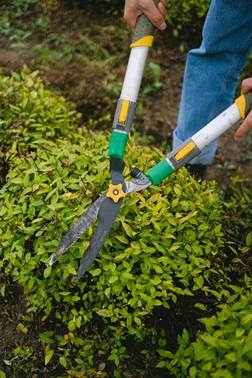
A well-maintained spade, rake and pruning shears not only make the job easier, but also protect your plants. Clean the tools, sharpen the blades and lightly lubricate any moving parts. If you look after your tools properly, they will last considerably longer.
Also check your garden hoses and sprinklers for leaks or damage that could have been caused by frost.
7. Spare a thought for insects and our garden friends
Leave some areas in the garden untouched. Nooks and crannies are important for hedgehogs, ladybirds, bees and other beneficial insects. Provide shelter with a pile of branches, hang up an insect hotel or plant early flowering plants such as crocuses, snowdrops and hellebores that feed the first bees of the season.
8. Make a plan for the new season
Now that your garden is all spruced up, it’s the perfect time to make a plan for the areas you want to tackle. Want to start growing vegetables? Or introduce a completely new floral colour palette? Or perhaps you want to build a water feature? Make a simple sketch and draw up a list of priorities. It will help you organise the gardening season with renewed energy.
Spring preparations in the garden need not be overwhelming. Tackle things step by step and before you know it, you’ll be enjoying a drink in a flourishing garden bursting with colourful blooms.